Cassini-Huygens
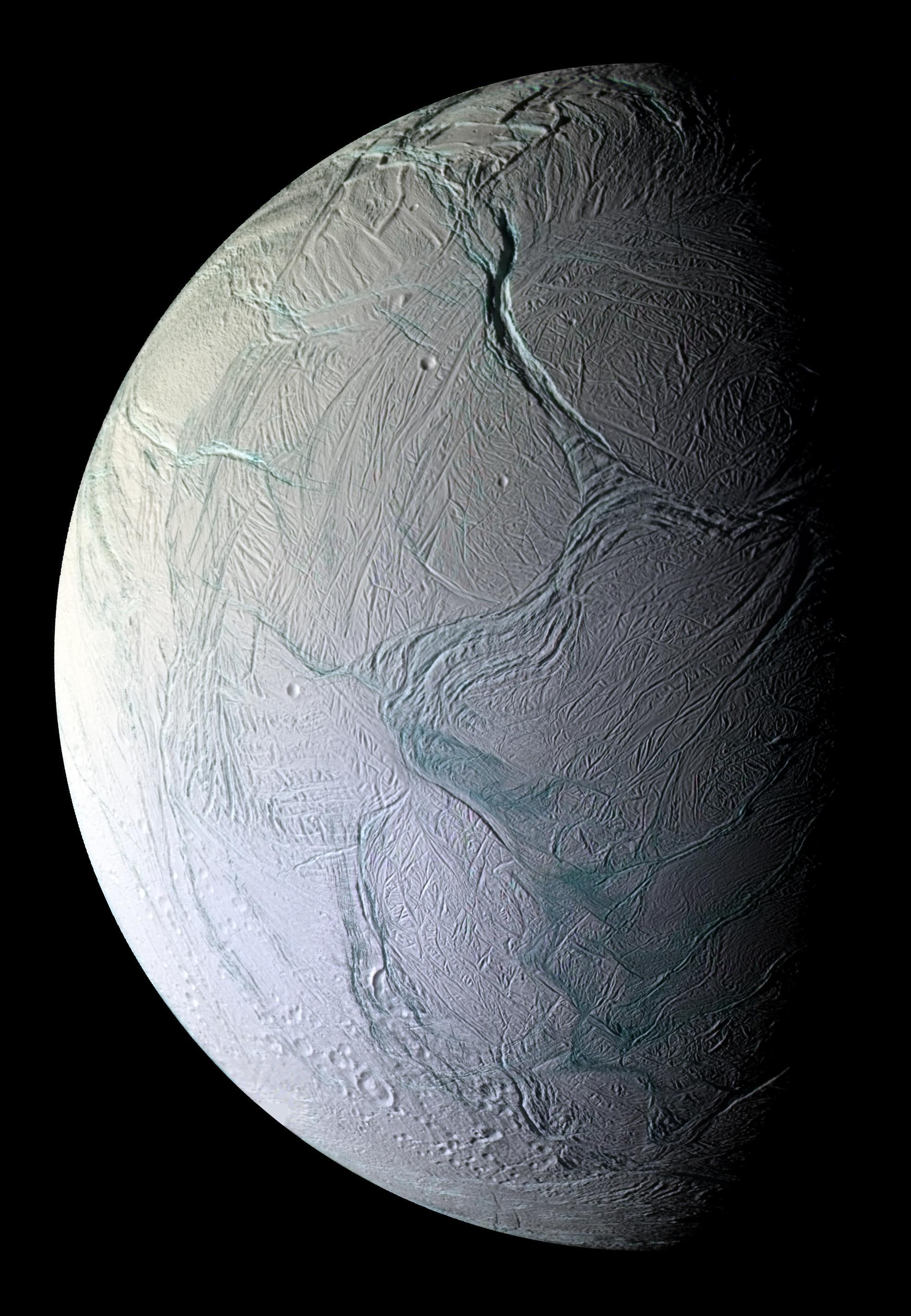
For more than a decade, NASA’s Cassini spacecraft shared the wonders of Saturn and its family of icy moons. It took us to astounding worlds where methane rivers run to a methane sea and where jets of ice and gas are blasting material into space from a liquid water ocean that might harbor the ingredients for life.
Type
Launch
Target
status
Cassini Stories


Timeline
Mission to Saturn
For more than a decade, NASA’s Cassini spacecraft shared the wonders of Saturn, its spectacular rings, and its family of icy moons.
Cassini was a sophisticated robotic spacecraft sent to study Saturn and its complex system of rings and moons in unprecedented detail. It was one of the most ambitious efforts ever mounted in planetary exploration.
Read More
Science at Saturn
Before Cassini, we had only brief glimpses of the discoveries awaiting us at Saturn.
Cassini changed all that. It began the first in-depth, up-close study of Saturn and its system of rings and moons in 2004. It became the first spacecraft to orbit Saturn, beginning a mission that yielded troves of new insights over more than a decade. The Saturnian system proved to be rich ground for exploration and discoveries, and Cassini's science findings changed the course of future planetary exploration.
Read More
Cassini's Spectacular End
After two decades in space, NASA's Cassini spacecraft ended its remarkable journey of exploration.
Having expended almost every bit of the rocket propellant it carried to Saturn, operators deliberately plunged Cassini into the planet to ensure Saturn's moons remain pristine for future exploration—in particular, the ice-covered, ocean-bearing moon Enceladus, but also Titan, with its intriguing pre-biotic chemistry.
Read More
Backlit Saturn
On July 19, 2013, in an event celebrated the world over, NASA's Cassini spacecraft slipped into Saturn's shadow and turned to image the planet, seven of its moons, its inner rings -- and, in the background, our home planet, Earth.
Learn More
Lessons Learned
Before the mission ended, Cassini was already a powerful influence on future exploration. In revealing that Enceladus has essentially all the ingredients needed for life, the mission energized a pivot to the exploration of "ocean worlds" that has been sweeping planetary science over the past couple of decades.
Lessons learned during Cassini's mission are being applied in planning NASA's Europa Clipper mission, planned for launch in October 2024. Europa Clipper will make dozens of flybys of Jupiter's icy moon to determine whether there are places below the surface that could support life. The mission uses an orbital tour design derived from the way Cassini explored Saturn.
Farther out in the solar system, scientists have long had their eyes set on exploring Uranus and Neptune. So far, each of these worlds has been visited by only one brief spacecraft flyby (Voyager 2, in 1986 and 1989, respectively). Collectively, Uranus and Neptune are referred to as ice giant planets. A variety of potential mission concepts are discussed. Future missions to the ice giants might explore those worlds using an approach similar to Cassini's mission.